Aidvantage Student Loan Forgiveness: Programs, Eligibility & How to Apply
If your loans are serviced by Aidvantage and you've been searching for a straight answer on forgiveness, you've probably run into two problems: most guides are generic, and a lot of them are already out of date. That's not a knock on the writers — this is genuinely one of the fastest-moving corners of personal finance right now. In the past six months alone, a court permanently killed the SAVE plan, a brand-new repayment plan launched, the tax treatment of forgiveness flipped back to taxable for most income-driven plans, and — as of the final days of August 2026 — the Department of Education is back in court fighting over who even counts as a "public service" employer for PSLF.
This guide covers what's actually true right now for Aidvantage borrowers: which forgiveness programs exist, who qualifies, what changed in 2026, and the exact steps to apply for each one.
Quick Answer
Aidvantage is a loan servicer, not a lender or a forgiveness program — it doesn't have the authority to forgive debt on its own. What it does is administer federal forgiveness programs on behalf of the Department of Education for the roughly 5.6 million borrowers it inherited from Navient in December 2021. If your loans are with Aidvantage, you can still qualify for Public Service Loan Forgiveness (PSLF), forgiveness through an income-driven repayment (IDR) plan, Teacher Loan Forgiveness, Total and Permanent Disability (TPD) discharge, or Borrower Defense to Repayment — the same programs available to every other federal borrower, regardless of servicer.
Does Aidvantage Offer Its Own Forgiveness Program?
No. This is worth stating plainly because a lot of search results blur the line between "Aidvantage helps with forgiveness" and "Aidvantage forgives loans." Aidvantage is a servicing contractor owned by Maximus Education. Federal Student Aid (FSA), a division of the Department of Education, owns your loans and sets the rules; Aidvantage bills you, processes your paperwork, tracks your qualifying payments, and routes your application to FSA. Every forgiveness program below comes from federal law or regulation, not from Aidvantage itself.
That distinction matters practically, too. Some of these programs are now processed directly through StudentAid.gov rather than through your servicer — TPD discharge moved there in March 2025, for example. Knowing which door to walk through saves weeks of back-and-forth.
Forgiveness Programs Available to Aidvantage Borrowers
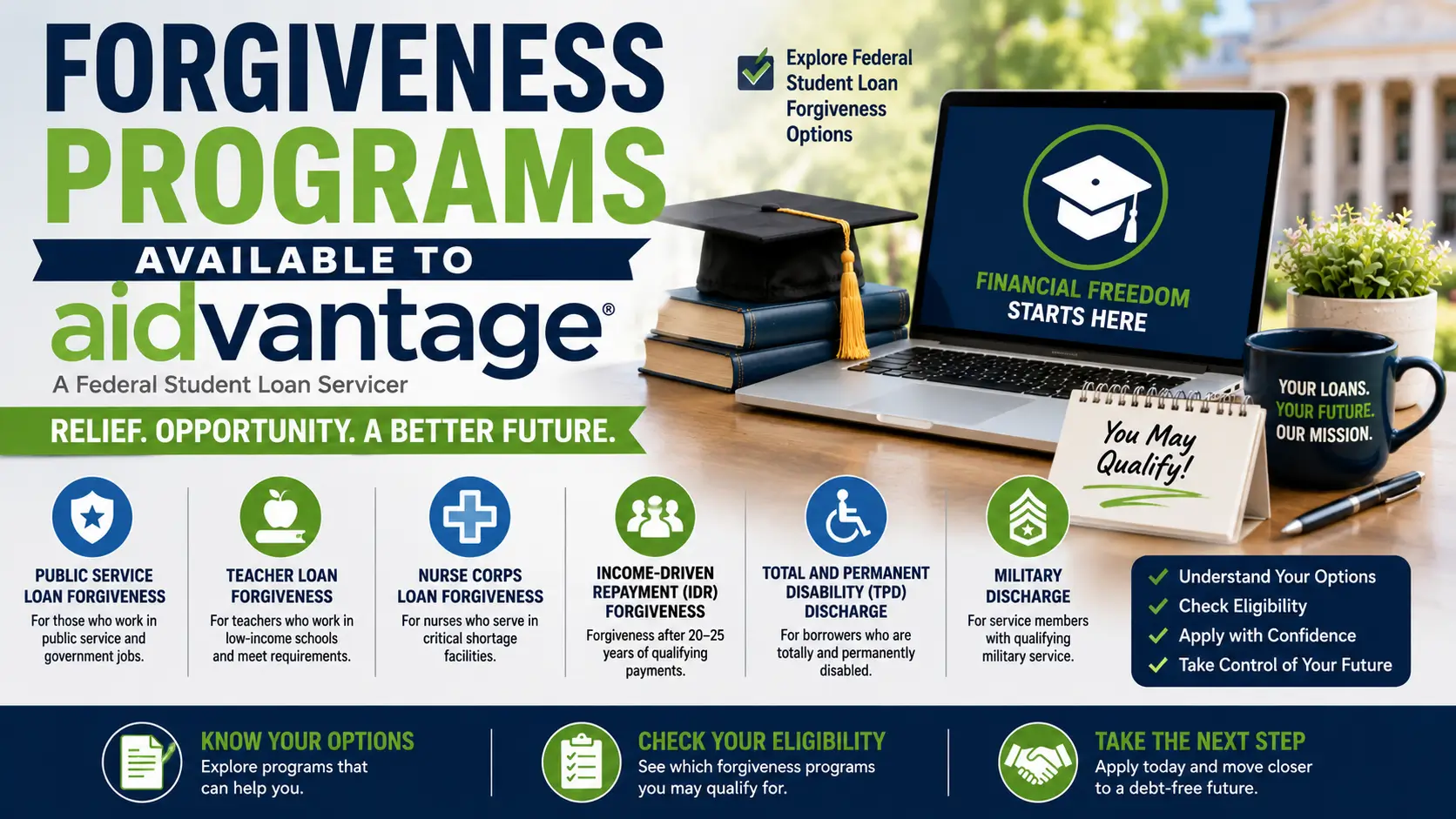
1. Public Service Loan Forgiveness (PSLF)
PSLF forgives your remaining Direct Loan balance, tax-free, after 120 qualifying monthly payments made while working full-time for a government agency or a 501(c)(3) nonprofit. It remains the fastest path to forgiveness for eligible borrowers, and Aidvantage processes the paperwork on the servicing side even though FSA (through the PSLF servicer) makes the final determination.
What's different in 2026: In October 2025, the Department finalized a rule letting it disqualify employers found to have a "substantial illegal purpose" — a standard that could have swept in nonprofits working on immigration, gender-affirming care, or DEI programs. That rule was scheduled to take effect July 1, 2026. It didn't. On June 30, 2026, federal judges in Massachusetts and Washington, D.C. vacated the rule nationwide, ruling it was arbitrary, exceeded the Department's statutory authority, and in the Massachusetts case, unconstitutionally vague. As of this writing, the Department has appealed both rulings — filing notices of appeal on August 27–28, 2026, with the First Circuit and D.C. Circuit — but no stay has been granted. The practical upshot for Aidvantage borrowers: the employer eligibility test that has always applied to PSLF (government or 501(c)(3) status, full stop) is still the one in effect. No "substantial illegal purpose" screen currently applies. This could change again if an appeals court revives the rule, so it's worth checking StudentAid.gov/courtactions before you make an employment decision based on PSLF eligibility.
Core eligibility hasn't changed:
- Direct Loans (FFEL and Perkins borrowers need to consolidate into a Direct Consolidation Loan first)
- Full-time employment at a qualifying government or nonprofit employer
- Enrollment in an eligible repayment plan (any current IDR plan, or the 10-year Standard Plan)
- 120 qualifying payments — they don't need to be consecutive
2. PSLF Buyback
If you have gaps in your PSLF payment count because of deferment or forbearance — including the SAVE administrative forbearance — the PSLF Buyback program lets you retroactively convert those months into qualifying payments with a lump-sum payment, as long as you were working for a qualifying employer at the time.
What's different in 2026: This one trips a lot of borrowers up right now. On March 31, 2026, the Department changed how it prices buyback months for anyone who was in SAVE forbearance. Instead of calculating the lump sum using the (generally cheap) SAVE payment formula, it now uses whichever of IBR, PAYE, or ICR would have applied — formulas that typically produce a meaningfully higher bill. Guides published before that date will quote buyback costs that are now out of date. If you're close to your 120th payment and have SAVE forbearance months to buy back, get a current quote before assuming an old estimate still holds. You apply through the "PSLF Reconsideration" request once your qualifying employment through the relevant period is certified on StudentAid.gov, not through Aidvantage directly.
3. Income-Driven Repayment (IDR) Forgiveness
If you never work in public service, the IDR route forgives whatever's left on your balance after a set number of years of payments. As of July 1, 2026, this comes with more moving parts than it used to:
| Plan | Forgiveness timeline | Still open to? |
|---|---|---|
| Income-Based Repayment (IBR) | 20 years (undergrad) / 25 years (grad) | Anyone with existing loans; set by statute, most stable option |
| Repayment Assistance Plan (RAP) | 30 years | All Direct Loan borrowers except Parent PLUS; mandatory for anyone borrowing on/after July 1, 2026 |
| PAYE / ICR | 20–25 years | Closed to new enrollment; existing borrowers must switch to IBR, RAP, or Standard by July 1, 2028 |
| SAVE | N/A | Permanently ended by court order March 10, 2026 |
RAP, created by the One Big Beautiful Bill Act (OBBBA) and rolled out July 1, 2026, ties payments to a sliding percentage of adjusted gross income (as low as a $10/month minimum for AGI under $10,000, scaling toward 10% of AGI) and includes an interest subsidy so unpaid interest doesn't compound the way it did under some older plans. The tradeoff is the 30-year timeline before anything is forgiven — a full decade longer than IBR. In late April 2026, the Department confirmed that on-time RAP payments do count toward PSLF's 120-payment requirement, so RAP doesn't knock you out of the public-service track if that's your plan.
If you were on SAVE, your account has likely been sitting in administrative forbearance since August 1, 2025 — no payment due, but interest has kept accruing, and none of that time counts toward IDR or PSLF forgiveness unless you separately buy it back. Aidvantage is required to notify affected borrowers between July 1 and August 15, 2026, giving 90 days from that notice to pick a new plan. Miss the deadline and you'll likely be defaulted into the Tiered Standard Plan, which doesn't lead to forgiveness at all.
4. Teacher Loan Forgiveness
Separate from PSLF, this forgives up to $17,500 (for highly qualified math, science, or special education teachers) or $5,000 (other subjects) after five consecutive years of full-time teaching at a low-income school or educational service agency. You can't double-count the same period of service toward both Teacher Loan Forgiveness and PSLF, but you can pursue Teacher Loan Forgiveness first and then start your PSLF clock afterward. Aidvantage processes the application (Form: Teacher Loan Forgiveness Application) once your five years are certified by your school's chief administrative officer.
5. Total and Permanent Disability (TPD) Discharge
If a physical or mental impairment prevents you from engaging in substantial gainful activity — expected to last at least 60 months or result in death — your federal loans can be discharged in full. Two things have changed here that a lot of servicer-level guides miss:
- Processing moved off your servicer. As of March 2025, TPD applications and status tracking are handled directly through StudentAid.gov as part of the Unified Servicing and Data Solution transition, not through Aidvantage.
- The tax treatment is now permanent, not temporary. TPD and death discharges were tax-free at the federal level under a provision that was originally set to expire at the end of 2025. Last year's tax legislation made that exclusion permanent, so unlike IDR forgiveness (below), a TPD discharge in 2026 or beyond still won't generate a federal tax bill.
Veterans with a VA disability rating of 100% permanent and total are typically discharged automatically through a data match with the VA — no application required.
6. Borrower Defense to Repayment
If your school misrepresented facts, breached a contract with you, or engaged in aggressive and deceptive recruitment, you may be able to discharge the loans tied to that enrollment. Claims are still being reviewed and approved in 2026; this program wasn't affected by the SAVE litigation or the RAP rollout. Applications go through StudentAid.gov's Borrower Defense application, and Aidvantage will pause collection on the affected loans once a claim is pending review.
The Tax Question Nobody's Guide Agrees On
This is worth its own section because the details genuinely changed at the start of 2026, and a fair amount of content online hasn't caught up (or gets the exceptions wrong):
- PSLF forgiveness: Permanently tax-free at the federal level. This exemption comes from its own long-standing provision in the tax code and was never tied to the pandemic-era relief that expired.
- TPD and death discharge: Also permanently tax-free now, following last year's tax legislation.
- IDR forgiveness (IBR, RAP, and the now-closed PAYE/ICR/SAVE): Taxable again as of loans discharged January 1, 2026 or later. The American Rescue Plan Act's exclusion for this category expired December 31, 2025 and wasn't renewed. If your balance is forgiven under IBR or RAP going forward, expect a Form 1099-C and a corresponding line on your federal tax return for that year — potentially a large one, since balances forgiven after 20–30 years of income-driven payments are often bigger than the original loan due to capitalized interest.
- State taxes: Handled separately from federal rules and vary by state, regardless of which program forgives your balance.
If you're within a few years of hitting an IDR forgiveness milestone, this is a case where talking to a tax professional ahead of time is genuinely worth the fee — the "surprise tax bill" scenario here can run into five figures.
Repayment Plan Choice Matters More Than It Used To
Because your repayment plan determines whether you're even on a path to forgiveness, picking the right one is no longer just about the monthly payment. A few things worth flagging while you're in there:
- Autopay now saves more. Starting July 1, 2026, the interest rate reduction for enrolling in autopay jumped from 0.25% to a full 1% for Direct Loans disbursed on or after July 1, 2012 — but only if you enroll by September 30, 2026. If you're already enrolled, it applied automatically; otherwise, this is a deadline worth acting on regardless of which forgiveness program you're pursuing.
- Consolidating can reset your clock. If you're partway through PSLF or IDR forgiveness, consolidating your loans (including to become RAP- or autopay-eligible) can zero out your qualifying payment count on the new loan. Check the tradeoff before you consolidate.
- Tiered Standard Plan is not a forgiveness path. If you miss the deadline to actively choose a plan after SAVE, ICR, or PAYE ends, you may land here by default — fixed payments, no forgiveness at the end.
How to Apply, Step by Step
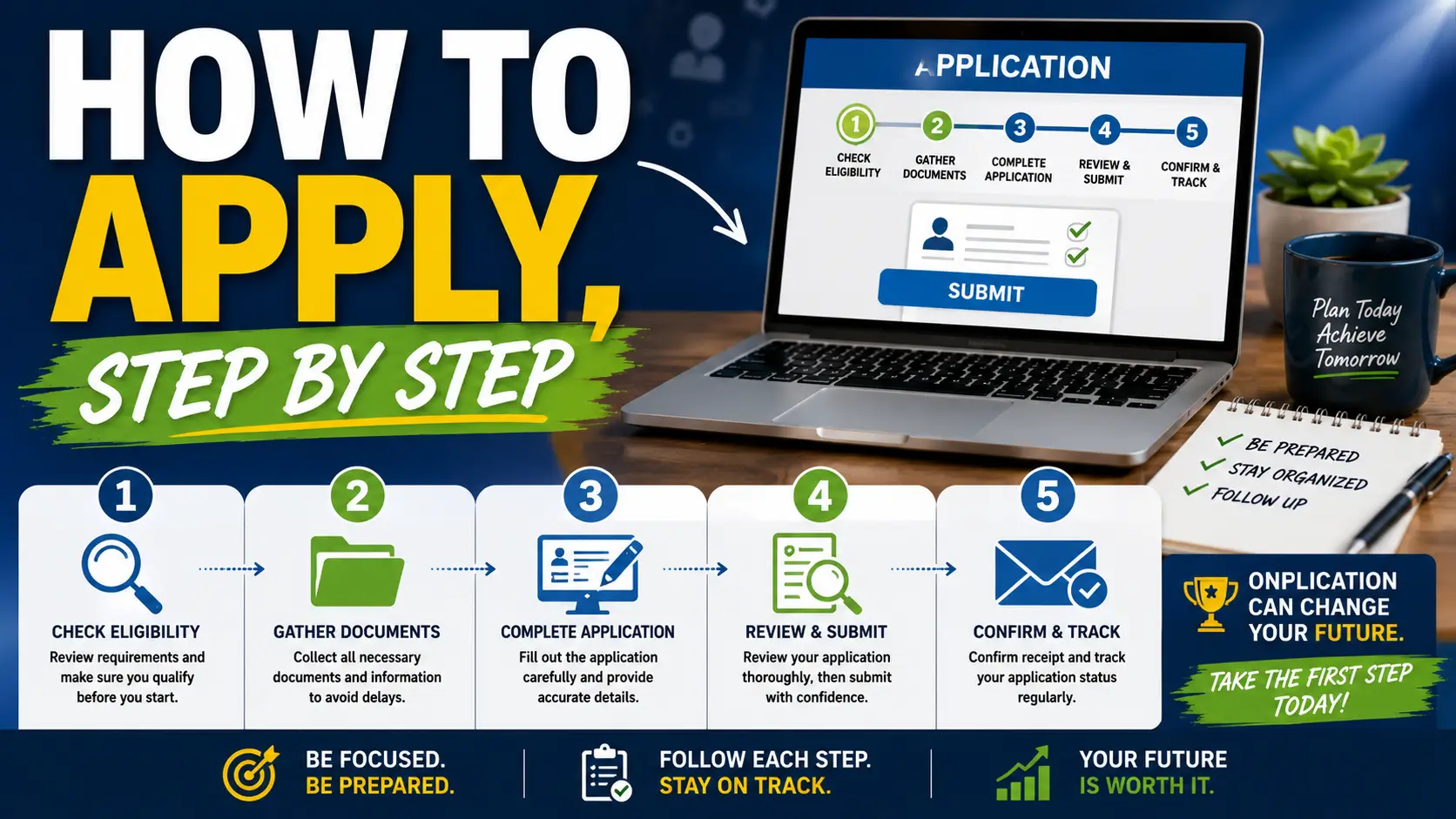
For PSLF:
- Confirm your loans are Direct Loans (consolidate first if they're FFEL or Perkins).
- Submit the PSLF form on StudentAid.gov for each employer you've worked for, including your current one — this is what certifies qualifying employment and updates your payment count.
- Enroll in IBR or RAP (or another qualifying plan) if you aren't already, since your plan affects which payments count.
- Recertify employment annually or whenever you change jobs.
- Once your tracker shows 120 qualifying payments, submit the final PSLF application for discharge.
For PSLF Buyback:
- Confirm your employment is certified through the relevant forbearance/deferment period on StudentAid.gov.
- Submit a "PSLF Reconsideration" request referencing the buyback.
- Continue making payments if you're still short of 120 while the request is reviewed — you may be refunded any overpayment.
- If approved, you'll get a buyback agreement with 90 days to pay the lump sum.
For IDR forgiveness (IBR or RAP):
- Use the Loan Simulator at StudentAid.gov to compare IBR and RAP for your situation.
- Apply for your chosen plan through StudentAid.gov (Aidvantage will update your account once processed).
- Recertify your income annually to keep your payment amount accurate.
- Forgiveness is typically automatic once you hit the required number of qualifying payments, but confirm with Aidvantage that your payment count is accurate well before that milestone.
For Teacher Loan Forgiveness:
- Complete five consecutive years of qualifying full-time teaching.
- Have your chief administrative officer certify your Teacher Loan Forgiveness Application.
- Submit it to Aidvantage for processing.
For TPD discharge:
- Apply directly through StudentAid.gov (not Aidvantage) with either an SSA disability determination, VA documentation, or physician certification.
- If the VA data match applies to you, you may not need to apply at all — watch for a notice.
For Borrower Defense:
- File the Borrower Defense application on StudentAid.gov, detailing the school's specific misconduct.
- Keep records: enrollment agreements, marketing materials, correspondence with the school.
- Aidvantage should pause collection on the affected loan balance once your claim is under review — confirm this happened.
Eligibility Checklist
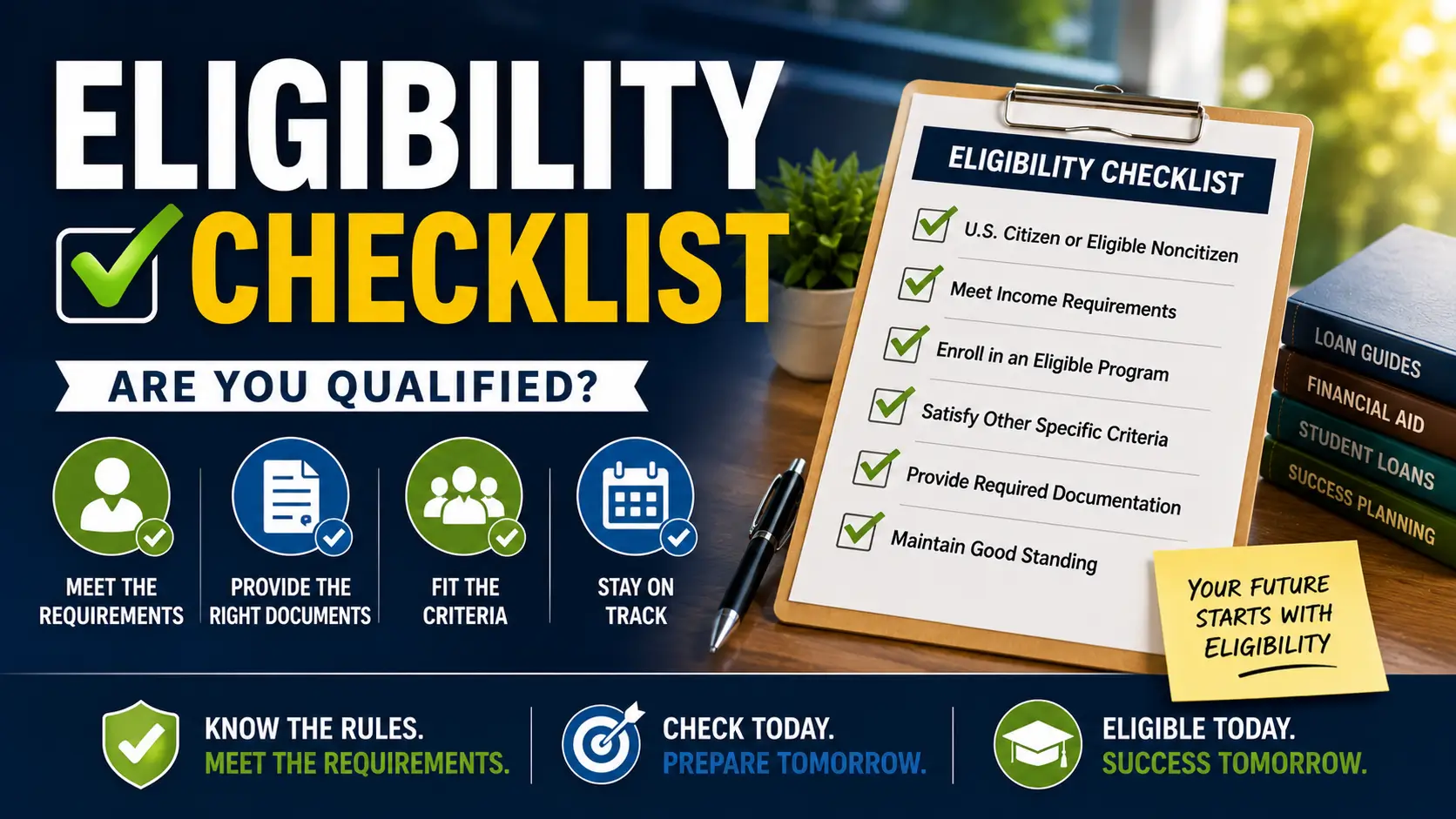
Before you invest time in an application, confirm:
- Your loans are Direct Loans (or eligible for consolidation into Direct Loans)
- You know your loan servicer status — log into StudentAid.gov to verify Aidvantage still services your account, since servicer assignments can change
- You're enrolled in an IDR plan if pursuing IDR or PSLF forgiveness
- You've kept documentation of employment (for PSLF/Teacher Loan Forgiveness) or your qualifying condition (for TPD)
- You understand the tax exposure for the specific program you're pursuing
Frequently Asked Questions (FAQs)
Does Aidvantage forgive student loans directly?
No. Aidvantage services federal loans on behalf of the Department of Education and processes forgiveness paperwork, but the forgiveness itself comes from federal programs like PSLF, IDR, or TPD — not from Aidvantage as a company.
Is the SAVE plan still an option through Aidvantage?
No. A federal appeals court permanently struck down the SAVE plan on March 10, 2026. If you were enrolled, your account has likely been in administrative forbearance since August 1, 2025, and you'll need to actively choose a new plan.
Will my PSLF progress be affected by the employer eligibility lawsuit?
Not right now. The rule that would have let the Department disqualify employers for a "substantial illegal purpose" was vacated by two federal courts on June 30, 2026, and remains blocked while the Department's appeal is pending. The traditional employer test — government or 501(c)(3) nonprofit status — is what currently applies.
Do I have to pay taxes on forgiven student loans in 2026?
It depends on the program. PSLF and TPD/death discharges remain permanently tax-free federally. Forgiveness through IDR plans like IBR or RAP is taxable again starting with loans discharged in 2026, since the temporary pandemic-era tax exclusion for that category expired at the end of 2025.
Should I switch to RAP if I'm currently on IBR?
Not necessarily. RAP's 30-year forgiveness timeline is longer than IBR's 20–25 years, and modeling from federal analysts suggests RAP will leave many borrowers with higher lifetime payments than existing IDR plans, even with its interest subsidy. If you already qualify for IBR, it's generally worth comparing both in the Loan Simulator before switching voluntarily.